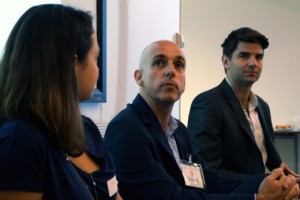
SIMNA Victoria’s first event for 2015 Data and Dashboards: How Can Technology Improve Social Impact Measurement? explored the ever expanding range of software tools for capturing and articulating the data that is so vital to telling our social impact story. Three presenters shared their insights and experiences:
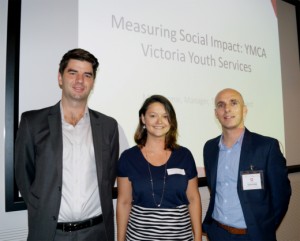
1. Katya Andreyeva (SVA): provided an introduction to choosing outcomes software
2. Mick Cronin (YMCA Victoria): shared the experience of his organisation in choosing and adopting the outcomes software SocialSuite; and
3. Damian Hajda (SocialSuite): gave a taste of what outcomes measurement software can offer an organisation wanting to track its impact.
Before You Leap
Overall, while the focus for the workshop was ostensibly on data and technology, the stand-out message was the need to start with a clear understanding of your ultimate purpose in measuring impact and how it fits within the change you want to make.
Katya Andrevya from Social Ventures agreed. Her session started with some of the key questions we need to ask before getting to the nitty gritty of technology choices:
- Why? Clearly define your purpose and the audience that will use your information to make decisions;
- What? Understand and identify the changes or the impact you are aspiring to create through tools such as program logic and the Golden Thread;
- How? Set a realistic plan for how you will gather the information you need, including data types, sources of information and frequency;
- Which? Compare the different software packages available on the market against your key criteria.
The second part of Katya’s presentation introduced the audience to some of the main platforms currently available, identifying key features, commonalities, pros and cons and offering a fantastic analysis of what’s currently out there in dashboard land.

Source: SVA Consulting Quarterly
Practical realities
Mi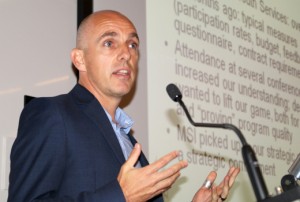 ck Cronin from the Bridge Project took us through the YMCA’s journey from measuring outputs to measuring impact, a path beginning on a ‘burning platform’ of funding cuts but leading to significant change in both program focus and organisational priorities and effectiveness. YMCA Victoria worked with SVA to identify key outcomes and appropriate indicators for the ground-breaking youth program – focusing on the purpose, audience, source and use of the data to determine the right software choice, ultimately selecting to pilot the SocialSuite platform.
SocialSuite was considered the most useful software for The Bridge Project because it was iPads for data input directly from the beneficiaries of the service and automatically generates impact reports. Mick described the initial rush of enthusiasm for data collection we wanted to measure everything, quickly tempered by the realisation of the work required and the need for clear and defined parameters.


Mick’s tips for data collection were:
- Start small: Choose one program or area within your organisation to trial implementing outcomes measurement software
- Be realistic: Know your audiences and what they will be willing to put up with
- Listen and reiterate: Be prepared to change course and make adjustments as you start to collect the data to ensure that what you are collecting provides you with the information you need.
In his presentation, Damian of the SocialSuite shared how he worked with Mick and YMCA to ensure that the system suited the unique needs of YMCA and the Bridge Project.
Using its experiences from The Bridge Project, YMCA Victoria is now in the process of rolling out the model across the whole organisation. SocialSuite will allow the organisations to collect a large amount of data and aggregate it at program, division and organisational level which was the ultimate ambition of the YMCA Victoria.
Q & A
The Q & A session proved varied and lively with discussion around the importance of engaging staff in conversations about the value in outcomes so they see the worth of data collection, the impact of leadership in supporting resource allocation to impact measurement, the difference between planning ‘in the lab’ and the realities on the ground. A key point, reflected throughout the workshop, was the importance of collaboration, of sharing methodology, indicators and data across organisations for benchmarking and comparison.
What did the audience think of the session?
More than 80% of the audience found the session ‘extremely’ or ‘very’ interesting. And 94% of attendees said that the session increased their knowledge on the subject and met their expectations.
We look forward to SIMNA Victoria’s next event – on 9 May 2015!